Author: Carlos Cummings

Moving to New Jersey

Moving to a new state can be both exciting and overwhelming, especially if you are considering relocating to the beautiful state of New Jersey. From its bustling cities to its picturesque beaches, New Jersey offers a diverse range of communities and lifestyles for residents to enjoy. As an experienced Realtor in New Jersey, I have helped countless individuals and families make the move to the Garden State, and I am here to provide you with some valuable insights and tips to make your transition as smooth as possible.

Research Your Ideal Neighborhood

One of the first steps in moving to New Jersey is to research and identify your ideal neighborhood. New Jersey offers a wide range of communities, each with its own unique charm and amenities. Whether you prefer the urban lifestyle of Jersey City or Newark, or the suburban feel of towns like Montclair or Princeton, there is a neighborhood in New Jersey that will suit your preferences and needs. Consider factors such as commute times, school districts, and access to amenities when choosing your new neighborhood.

Utilize the Services of a Local Realtor

Working with a local Realtor who is knowledgeable about the New Jersey real estate market can make the home buying process much easier and more efficient. A Realtor can help you navigate the local housing market, provide valuable insights about different neighborhoods, and assist you in finding a home that meets your criteria and budget. Additionally, a Realtor can help you negotiate the best deal and guide you through the closing process, making your move to New Jersey as stress-free as possible.

Consider Your Commute

New Jersey is known for its easy access to major cities like New York and Philadelphia, making it a popular choice for commuters. When moving to New Jersey, it is important to consider your daily commute to work or other important destinations. Whether you prefer to drive, take public transportation, or walk to work, New Jersey offers a variety of transportation options to suit your needs. Be sure to factor in commute times and transportation costs when choosing your new home in New Jersey.

Embrace the Local Culture and Cuisine

One of the best parts of moving to a new state is experiencing the local culture and cuisine. New Jersey is known for its diverse population and vibrant food scene, with countless restaurants and eateries serving up delicious dishes from around the world. Whether you are craving a classic New Jersey diner experience or want to indulge in some authentic Italian cuisine in Newark’s Ironbound District, there is no shortage of culinary delights to enjoy in the Garden State.

Get Involved in the Community

One of the best ways to feel at home in a new state is to get involved in the local community. New Jersey offers a variety of social and recreational opportunities for residents to participate in, from community events and festivals to sports leagues and volunteer programs. By getting involved in your new community, you can meet new friends, explore new interests, and establish roots in your new home in New Jersey.

Conclusion

Moving to New Jersey can be an exciting and rewarding experience, and with the right preparation and resources, you can make your transition a smooth and successful one. By researching your ideal neighborhood, working with a local Realtor, considering your commute, embracing the local culture and cuisine, and getting involved in the community, you can feel at home in the Garden State in no time. Whether you are moving for work, family, or simply a change of scenery, New Jersey offers a diverse range of communities and amenities for residents to enjoy. Welcome to the Garden State!

Read More

Buying a Home in New Jersey: Finding Your Perfect Nest

Are you looking to buy a home in New Jersey? The real estate market in the Garden State offers a variety of options for potential buyers, from charming suburban neighborhoods to bustling urban areas. As an experienced Realtor in New Jersey, I have seen firsthand the excitement and challenges that come with purchasing a new home. In this blog post, I will provide you with some valuable insights and tips on how to navigate the home buying process in New Jersey and find your perfect nest.

Location, Location, Location

One of the most important factors to consider when buying a home in New Jersey is the location. Do you prefer a quiet suburban community with top-rated schools and parks, or are you drawn to the vibrant energy of a city like Hoboken or Jersey City? Think about your lifestyle and priorities, such as commuting distance to work, access to public transportation, and proximity to amenities like shopping centers and restaurants.

It is also crucial to research the different neighborhoods in the area you are interested in. Look into factors like crime rates, property taxes, and future development plans. Working with a knowledgeable Realtor who understands the local market can help you narrow down your options and find a neighborhood that aligns with your preferences and budget.

Setting a Realistic Budget

Before you start looking at homes, it is essential to determine your budget and get pre-approved for a mortgage. Consider all the costs associated with homeownership, including property taxes, homeowners insurance, and maintenance expenses. Keep in mind that New Jersey has some of the highest property taxes in the country, so budget accordingly.

When setting your budget, think about your long-term financial goals and how owning a home fits into your overall financial plan. A Realtor can help you understand the current market conditions and guide you towards homes that are within your price range. Remember, buying a home is a significant investment, so it is crucial to make an informed decision that aligns with your financial capabilities.

Finding Your Dream Home

Once you have established your budget and narrowed down your preferred locations, it is time to start house hunting. Make a list of your must-have features and amenities, such as the number of bedrooms and bathrooms, outdoor space, and updated kitchen appliances. Keep an open mind during your search, as you may need to compromise on certain aspects depending on what is available in the market.

Attend open houses, schedule private showings, and ask questions about the property and the neighborhood. Take your time to explore different options and envision yourself living in each home. Trust your instincts and don’t rush into a decision just to secure a property. Remember, buying a home is a significant commitment, so it is crucial to find a place that feels like the perfect fit for you and your family.

Closing the Deal

Once you have found your dream home, it is time to make an offer and negotiate the terms of the sale. Work with your Realtor to submit a competitive offer based on the current market conditions and comparable sales in the area. Be prepared for counteroffers and be open to negotiation to reach a mutually beneficial agreement.

During the closing process, make sure to review all the paperwork carefully and ask questions about anything you don’t understand. Conduct a final walkthrough of the property to ensure that everything is in order before signing the closing documents. Celebrate your new home purchase and get ready to start the next chapter of your life in New Jersey!

In conclusion, buying a home in New Jersey can be an exciting and rewarding experience with the right guidance and resources. By considering factors like location, budget, and your must-have features, you can find your perfect nest in the Garden State. Remember to work with a trusted Realtor who can provide you with valuable insights and support throughout the home buying process. Good luck on your house hunting journey!

Read More

Tips for Buying a Home in New Jersey

Buying a home in New Jersey can be an exciting and rewarding experience, but it can also be overwhelming and stressful if you’re not prepared. As an experienced Realtor in the Garden State, I have worked with numerous buyers to help them navigate the real estate market and find their dream home. In this post, I will share some valuable tips for buying a home in New Jersey that will help you make the process as smooth and successful as possible.

1. Know Your Budget

One of the first steps in buying a home in New Jersey is to determine your budget. It’s important to know how much you can comfortably afford to spend on a home, taking into account factors such as your income, expenses, and savings. This will help you narrow down your search and focus on properties that are within your price range.

2. Research Neighborhoods

New Jersey offers a diverse range of neighborhoods, each with its own unique character and amenities. Before you start looking at homes, take the time to research different neighborhoods to find the one that best fits your lifestyle and preferences. Consider factors such as schools, proximity to work, local amenities, and property values.

3. Work with a Local Realtor

Working with a local Realtor who is knowledgeable about the New Jersey real estate market can make a big difference in your home buying experience. A good Realtor will listen to your needs and priorities, show you appropriate homes, negotiate on your behalf, and guide you through the entire process from start to finish.

4. Get Pre-Approved for a Mortgage

Getting pre-approved for a mortgage before you start house hunting is essential. This will give you a clear idea of how much you can borrow, which will help you make a competitive offer on a home when you find the right one. Sellers are more likely to take you seriously if they see that you have already been pre-approved for financing.

5. Be Flexible

In a competitive real estate market like New Jersey, it’s important to be flexible and open-minded when searching for a home. You may not find a house that ticks off every item on your wish list, so be prepared to compromise on certain features or amenities. Remember, you can always make upgrades or renovations in the future.

6. Consider the Resale Value

When buying a home in New Jersey, it’s a good idea to consider the resale value of the property. Look for homes in desirable neighborhoods with good schools, low crime rates, and easy access to transportation and amenities. This will not only benefit you while you’re living in the home, but also when it comes time to sell in the future.

7. Attend Open Houses

Attending open houses is a great way to get a feel for the local real estate market and see what different properties have to offer. Take your time exploring different homes, asking questions, and taking notes. This will help you narrow down your options and make an informed decision when it’s time to make an offer.

8. Don’t Rush the Process

Buying a home is a big decision, so take your time and don’t rush the process. It’s important to thoroughly research your options, ask for advice from your Realtor, and carefully consider all factors before making an offer. Trust your instincts and don’t feel pressured to make a decision before you’re ready.

In conclusion, buying a home in New Jersey can be a rewarding experience if you approach it with the right mindset and preparation. By following these tips and working with a knowledgeable Realtor, you can navigate the real estate market with confidence and find the perfect place to call home. Good luck on your home buying journey!

Read More

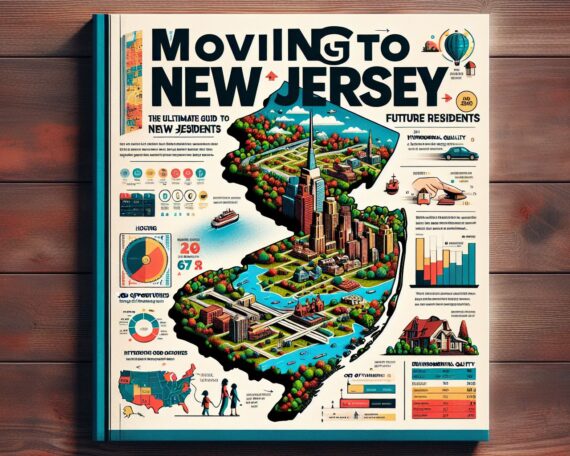
Moving to New Jersey: The Ultimate Guide for Future Residents

Moving to a new state can be a daunting but exciting experience. New Jersey, known as the Garden State, offers a vibrant lifestyle, diverse communities, and a rich history. Whether you are relocating for work, family, or simply a change of scenery, moving to New Jersey can be a great decision. In this ultimate guide, we will provide you with everything you need to know before making the move to the beautiful state of New Jersey.

1. Research the Different Regions
Before moving to New Jersey, it is important to research and familiarize yourself with the different regions of the state. From the bustling city life of Northern New Jersey to the serene beaches of the Jersey Shore, each region offers a unique experience. Consider factors such as job opportunities, cost of living, schools, and recreational activities when deciding where to settle down.

2. Understand the Cost of Living
New Jersey is known for its high cost of living, especially in certain areas such as Bergen County and Hoboken. It is important to understand the cost of housing, groceries, transportation, and utilities before making the move. Make sure to create a budget and factor in any potential expenses to ensure a smooth transition to your new home.

3. Explore Housing Options
Whether you are looking for a cozy apartment in a downtown area or a spacious single-family home in the suburbs, New Jersey offers a variety of housing options to suit your needs. Work with a reputable Realtor to explore different neighborhoods, schools, and amenities to find the perfect home for you and your family.

4. Consider Commuting Options
New Jersey is known for its busy highways and public transportation systems. Before moving, consider your commuting options and how they will impact your daily life. Whether you prefer driving, taking the train, or using public transportation, make sure to plan your commute in advance to avoid any unexpected delays.

5. Embrace the Culture and Lifestyle
New Jersey is a diverse state with a rich cultural heritage. From delicious diners and famous boardwalks to historic landmarks and art galleries, there is no shortage of things to see and do in the Garden State. Embrace the local culture, try new foods, explore different neighborhoods, and immerse yourself in everything that New Jersey has to offer.

6. Make New Connections
Moving to a new state can be a lonely experience, especially if you do not know anyone in the area. Take the time to make new connections, join community groups, attend local events, and get involved in your new neighborhood. Building a support system of friends and neighbors will help you feel more at home in your new state.

7. Stay Positive and Embrace the Change
Moving to a new state is a major life change that can be both exciting and challenging. Stay positive, embrace the change, and be open to new experiences. Remember that it takes time to adjust to a new environment, but with patience and an open mind, you will soon feel at home in the beautiful state of New Jersey.

In conclusion, moving to New Jersey can be a wonderful opportunity to start fresh, explore new opportunities, and embrace a vibrant lifestyle. By researching the different regions, understanding the cost of living, exploring housing options, considering commuting options, embracing the culture and lifestyle, making new connections, and staying positive, you can make your move to New Jersey a successful and enjoyable experience. Welcome to the Garden State!

Read More

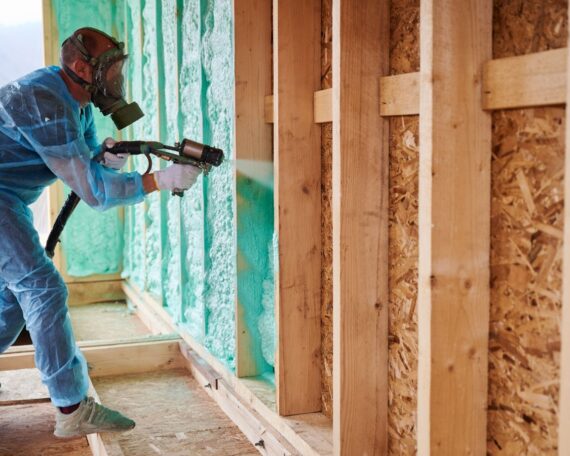
spray foam teal colors professional install

Best Insulation Types For Your Home’s Energy Efficiency

Best Insulation Types for Maximizing Your Home’s Energy Efficiency

When it comes to enhancing your home’s energy efficiency, insulation is one of the most critical components to consider. Proper insulation acts as a barrier that keeps heat inside during winter and blocks it out during summer, reducing the need for excessive heating and cooling. This not only helps in maintaining a comfortable indoor temperature year-round but also significantly cuts down on energy bills. In this blog post, we’ll explore the best types of insulation that can maximize your home’s energy efficiency, helping you make informed decisions for your next home improvement project.

Why Insulation Matters for Energy Efficiency

Insulation is the unsung hero of home energy efficiency. It works by slowing the transfer of heat through your walls, ceilings, and floors, which in turn reduces the workload on your heating and cooling systems. Without proper insulation, your home can lose up to 30% of its heating and cooling energy, leading to higher utility bills and a larger carbon footprint. By investing in quality insulation, you can significantly reduce energy loss, improve indoor comfort, and contribute to a more sustainable environment.

Key Factors to Consider When Choosing Insulation

Before diving into the best insulation types, it’s important to understand the factors that influence your choice. Different homes have different needs, and what works for one may not be the best solution for another.

Climate and Location:
The climate you live in plays a significant role in determining the type of insulation that’s best for your home. For instance, homes in New Jersey with colder climates require insulation with higher R-values, which measure the material’s resistance to heat flow. Conversely, in warmer regions, you might prioritize insulation that helps keep the heat out.

R-Value:
The R-value is a critical factor when selecting insulation. The higher the R-value, the better the material’s insulating properties. It’s important to choose insulation with an R-value that meets or exceeds the recommended levels for your region, as this will ensure maximum energy efficiency.

Budget:
Insulation costs can vary widely depending on the type of material and the size of the area you need to insulate. While some options may have a higher upfront cost, they can offer significant savings over time by reducing energy bills.

Sustainability:
For environmentally-conscious homeowners, the sustainability of insulation materials is another key consideration. Many modern insulation types are made from recycled or renewable materials, offering an eco-friendly option for improving your home’s energy efficiency.

Installation:
The effectiveness of insulation is not just about the material itself but also how it’s installed. Poor installation can lead to gaps and voids, reducing the insulation’s efficiency. Depending on the type of insulation, you may need professional installation to ensure it performs optimally.

Best Insulation Types for Energy Efficiency

Now that you understand the key factors to consider, let’s explore the best insulation types for maximizing your home’s energy efficiency.

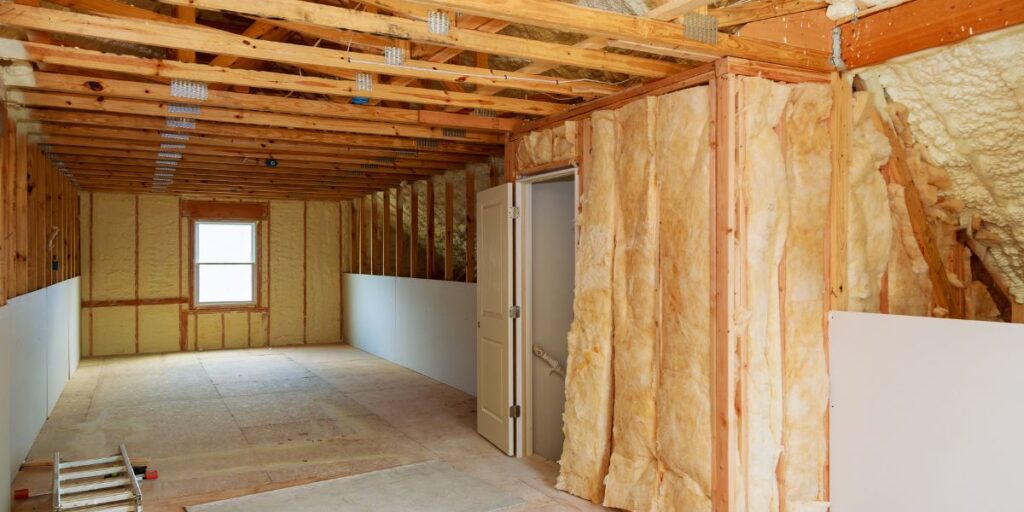
combination spray foam insulation inside house

Fiberglass Insulation

Pros:
Fiberglass insulation is one of the most common and affordable types of insulation available. It is made from fine strands of glass fibers and is available in batts, rolls, and loose-fill forms. Fiberglass is non-combustible, resistant to moisture, and can be installed in walls, attics, and floors.

Cons:
However, fiberglass insulation requires careful installation to avoid gaps and ensure it provides the intended R-value. It’s also less effective at blocking air leaks compared to other options.

Best Use:
Fiberglass insulation is ideal for homeowners looking for a cost-effective solution that can be installed in various areas of the home.

Spray Foam Insulation

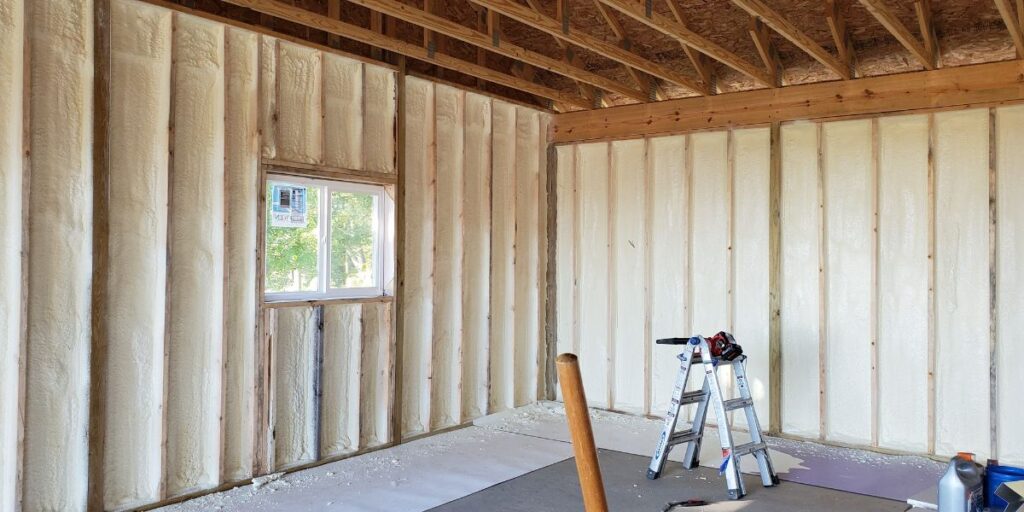
spray foam insulation inside ladder neat clean

Pros:
Spray foam insulation is renowned for its exceptional insulating properties and its ability to seal air leaks, making it one of the top choices for energy efficiency. It expands to fill gaps and crevices, creating an airtight barrier that effectively prevents heat loss and gain. Additionally, spray foam insulation lasts a long time and offers a high R-value, ensuring excellent thermal resistance.

Cons:
The main downside of spray foam insulation is its higher upfront cost. It’s also best applied by professionals, as improper installation can lead to issues such as over-expansion or under-expansion, reducing its effectiveness.

Best Use:
Spray foam insulation is ideal for homeowners looking to maximize energy efficiency, especially in areas prone to air leaks such as attics, basements, and around windows and doors. 

Cellulose Insulation

Pros:
Cellulose insulation is made from recycled paper products, making it an eco-friendly option. It’s available in loose-fill form and can be blown into walls, attics, and other areas to create a dense, insulating layer. Cellulose has a good R-value and is effective at reducing air leaks.

Cons:
Over time, cellulose insulation can settle, leading to a decrease in its effectiveness. It also has a slightly lower R-value compared to other insulation types like spray foam or rigid foam.

Best Use:
Cellulose insulation is a great option for homeowners looking for an eco-friendly material that performs well in a variety of applications, particularly in attics and wall cavities.

Rigid Foam Insulation

Pros:
Rigid foam insulation, also known as foam board insulation, offers a high R-value per inch of thickness, making it highly effective at insulating small spaces. It’s also moisture-resistant, which makes it a good choice for basements and exterior walls. You can also use rigid foam as continuous insulation over wall sheathing, which improves the overall thermal envelope of the home.

Cons:
Rigid foam insulation can be more expensive than other options, and its inflexibility makes it difficult to install in irregularly shaped spaces.

Best Use:
Rigid foam insulation is ideal for areas that require a high level of insulation with limited space, such as basement walls or exterior sheathing.

Mineral Wool Insulation

Pros:
Mineral wool, also known as rock wool or slag wool, is made from natural minerals or industrial byproducts. It’s highly resistant to fire and provides good soundproofing in addition to thermal insulation. Mineral wool is also water-resistant and does not promote the growth of mold or mildew.

Cons:
The primary downside of mineral wool insulation is that it costs more than fiberglass. Additionally, it can be difficult to handle due to its weight and stiffness.

Best Use:
Mineral wool insulation is a great choice for areas where fire resistance and soundproofing are important, such as between floors or in exterior walls.

Reflective or Radiant Barrier Insulation

Pros:
Reflective or radiant barrier insulation reflects heat away from your home, making it particularly effective in hot climates. Homeowners typically install it in attics to reduce the amount of heat entering the home, which lowers cooling costs.

Cons:
This type of insulation is less effective in colder climates and works best when combined with other types of insulation.

Best Use:
Radiant barrier insulation is ideal for homes in hot climates where the goal is to reduce cooling costs during the summer months.

Choosing the Right Insulation for Your Home

Selecting the right insulation for your home depends on several factors, including your climate, budget, and the specific areas you need to insulate. Here are some tips to help you make the best choice:

  • Match Insulation Type to Area: Different areas of your home may require different types of insulation. For example, spray foam insulation effectively seals air leaks in the attic, while rigid foam works better for basement walls.
  • Balance Cost with Long-Term Savings: While some insulation types may have a higher upfront cost, they can offer significant long-term savings by reducing energy bills.
  • Consider Professional Installation: If you’re not confident in your ability to install insulation correctly, it’s worth hiring a professional. Proper installation is crucial to ensuring the insulation performs as expected.

Conclusion

Investing in the right insulation is one of the most effective ways to maximize your home’s energy efficiency. Proper insulation not only helps in reducing your monthly energy bills but also enhances the overall comfort of your living environment. Whether you opt for fiberglass, spray foam, cellulose, rigid foam, mineral wool, or reflective insulation, each type offers unique benefits tailored to different needs and budgets.

Take the time to carefully assess your home’s insulation needs, factoring in your climate, the specific areas that require insulation, and your budget. Consulting with professionals can also be beneficial, as they can provide expert advice on the most suitable insulation types and ensure proper installation. By making an informed decision, you’ll be setting your home up for long-term energy efficiency, comfort, and even a potential boost in resale value when selling your home.

Read More

home for sale

Preparing Your Home for a Successful Sale

home for sale

Selling your home can be an exciting but challenging endeavor. To attract potential buyers and secure the best possible price, it’s essential to prepare your house effectively. This article will give you tips on how to stage your home for sale, from enhancing its curb appeal to creating an inviting interior that leaves a lasting impression.

And after you sell your home, these essential moving tips will make your transition much easier.

Declutter and Depersonalize

Before you list your home, start by decluttering and depersonalizing the space. Remove excess furniture, personal items, and clutter. This allows potential buyers to envision themselves living in your home, rather than feeling like they’re intruding on someone else’s space. While decluttering, be sure to keep those beautiful home decorations up so the house shows well.

Deep Clean Every Nook and Cranny

A clean home is a must when selling. Hire a professional cleaning service or dedicate time to deep clean every room, including carpets, windows, and appliances. Pay attention to details like baseboards, light fixtures, and grout lines. A spotless home is more appealing to buyers.

Make Necessary Repairs

Address any outstanding maintenance issues and make necessary repairs before listing your home. Fix leaky faucets, squeaky doors, cracked tiles, and any visible problems. A well-maintained home instills confidence in buyers and can lead to a smoother transaction. Another thing to figure out is when is the best time to sell your home. Listing your home at the wrong time can be a costly mistake. Thankfully, your real estate agent can guide you through this process.

Enhance Curb Appeal

The first impression of your home is crucial. Boost your home’s curb appeal by:

  • Mowing the lawn and maintaining landscaping
  • Power-washing the exterior
  • Repainting the front door or adding a fresh coat of paint if needed
  • Planting flowers or adding potted plants for a welcoming touch
  • Ensuring the mailbox and house numbers are in good condition

Repaint with Neutral Colors

Consider repainting interior walls with neutral colors to create a fresh and inviting atmosphere. Neutral tones like soft grays, warm beige, or light taupe appeal to a broader range of buyers and make rooms look brighter and more spacious.

Declutter your home

Stage Your Home

Staging can significantly impact the sale of your home. Arrange furniture to create an open and inviting layout that highlights the best features of each room. Add tasteful decor elements, such as fresh flowers, artwork, and strategically placed mirrors, to enhance the overall appeal.

Organize and Declutter Storage Spaces

Potential buyers will inspect closets and storage areas. Make sure these spaces are well-organized and decluttered to show their full potential. Neatly arrange items, and consider using storage containers to keep things tidy.

Complete Small Upgrades

While major renovations may not be necessary, small upgrades can make a big difference. Consider replacing outdated fixtures, cabinet hardware, or light switches for a more modern look. Upgrading faucets and countertops in the kitchen and bathrooms can also boost appeal.

Maximize Natural Light

Open curtains and blinds to let in as much natural light as possible. Well-lit spaces feel more inviting and spacious. Ensure all light fixtures have working bulbs, and consider adding additional lighting to dark areas if necessary.

Highlight Energy Efficiency

If your home has energy-efficient features, such as insulated windows, a new HVAC system, or energy-efficient appliances, be sure to highlight them to potential buyers. Energy savings can be a compelling selling point.

Professional Photography

Invest in professional photography to showcase your home online. High-quality photos can attract more potential buyers and make a strong first impression. Capture your home in the best possible light to stand out in listings.

Conclusion

Getting your home ready to sell involves a combination of decluttering, cleaning, staging, and minor improvements. By following these tips, you can present your home in the best possible light, appeal to a broader range of buyers, and increase your chances of a successful and profitable sale. Remember that first impressions matter, and a well-prepared home can make all the difference in attracting potential buyers.

Read More

How to Transfer Real Estate License to Another State

How to Transfer Real Estate License to Another State

Are you planning to move out of the state? What does this mean for your real estate license? Will you be able to transfer your real estate license to the new state? How do I get my real estate license? Do you have to take the real estate exam again? Can you get a real estate license in a state you don’t live in?

Real estate is generally a state-specific business. Each state has its own laws regarding real estate. Each state has its own licensing requirements. You must first understand the laws in the state before you can move to that state. Then, you will need your license as a real estate agent.

However, this doesn’t mean that you need to take the real estate exam again. It is easy to become a real estate agent within another state.

“License reciprocity” is a feature that many states offer. License reciprocity is when you have an active license to sell real estate in one state and can apply for a license in another state.

Colorado’s reciprocity program for real estate licenses offers reciprocity to all 50 states. You don’t have to retake any of your real estate courses if you move from one US state to another. 

The state section of the Colorado realty exam can be taken by anyone. You will be eligible to obtain your Colorado real estate license once you have passed the state section of the exam.

The process is not as simple in other states as in Colorado. It can be confusing to find out which states offer reciprocity for real-estate licenses because the process is different from one state to another. Some states, such as Texas, don’t offer reciprocity for licenses. 

You will need to take all required courses before you can get your Texas real estate license. Even if your license is in another state.

This article will explain which states allow reciprocity for real estate licenses. This will help you to understand how hard it will take for your state to grant your real estate license. No matter what state it may be!

State Full License Reciprocity

Full license reciprocity states permit anyone who has a valid real estate license in any US state to bypass the standard real estate courses. You can choose to skip any courses that you have already completed and instead focus on the state-specific laws. 

After passing the state-specific section of the real estate exam you will be eligible to receive your new license.

A few caveats are necessary. First, you must have a current real estate license. You will need to renew your license if your license has expired.

You must also be in good standing in your current state. Before applying for real-estate reciprocity, you must resolve any disciplinary actions against you or any questions regarding your business practices and ethical standards.

These two conditions must be met before you can apply for reciprocity in full reciprocity countries.

No matter where you are moving from, you can consider yourself lucky if your move is to one of these five full-license reciprocity states.

  • Alabama
  • Colorado
  • Maine
  • Mississippi
  • Virginia

You can bypass the general courses in real estate and focus on the specific laws and requirements of each state that has full reciprocity. After passing the exam, you will be issued a new license in real estate.

States with no license reciprocity

Some states do not offer license reciprocity, as we have already mentioned. If you move to a state without reciprocity in real estate licenses, it doesn’t matter where you are from. You will need to take your real estate courses again. This means that you will have to learn and license real estate from scratch.

It’s not all bad news. You’ll be able quickly and easily navigate through most of the course material. It will also give you a refresher course on topics that you might not encounter on the job.

If you are moving to one of the 17 states without reciprocity in real estate licensing, take a deep breath. This is a temporary inconvenience that will allow you to build a successful realty business in your new state.

These are the seventeen states that have no reciprocity in licenses:

  • Alaska
  • Arizona
  • California
  • Delaware
  • Hawaii
  • Kansas
  • Kentucky
  • Michigan
  • Missouri
  • Montana
  • New Jersey
  • New Mexico
  • South Dakota
  • Texas
  • Vermont
  • Washington
  • Wyoming

States with Partial License Reciprocity

You may have noticed that we have only mentioned half of the US states. The rest of the states offer partial reciprocity for licenses. Your new state might offer partial license reciprocity to real estate agents who move from one state to another.

Each state with partial license reciprocity is unique, so it’s important to examine each one individually.

If you are looking for a pattern in terms of which states receive license reciprocity, there isn’t one. Some states only offer reciprocity for licenses to states that are near them. Certain states only offer reciprocity to neighboring states with very similar real-estate laws. Some states seem to have a problem with other states (we’re looking specifically at Georgia!) ).

Real estate license reciprocity may be offered to your state from the new state. However, you will still need to fulfill a few conditions in order to apply for your reciprocal license in your new state. You must ensure that your current license is still valid when you apply for reciprocity. 

If you are unable to be an agent in good standing due to any reason, you should resolve it before you apply.

Here are the 28 states offering partial reciprocity for licenses:

Arkansas: Arkansas offers license reciprocity to agents who are moving from Alabama, Colorado Florida, Georgia, Iowa, Kansas, Louisiana, Mississippi, Nebraska, New York, Ohio, Oklahoma, Pennsylvania, South Dakota, Washington, and West Virginia.

Connecticut: Reciprocity in licenses for agents who are moving from Alabama to Colorado, Florida, Georgia, Illinois, Indiana, Massachusetts, Mississippi, Nebraska, New York, Ohio, and Oklahoma.

Florida: Reciprocity in licenses for agents who are moving from Alabama, Arkansas, Connecticut, Georgia, Illinois, Mississippi, Nebraska, and Rhode Island.

Georgia: Reciprocity licenses for agents who move from any state other than Florida.

Idaho: Reciprocity licenses for agents who move from Wyoming, Oregon, or Montana.

Illinois: Reciprocity licenses for agents who are moving from Colorado, Connecticut, Florida, Georgia, Indiana, Iowa, Kentucky, Nebraska, South Dakota, and Wisconsin.

Indiana: Reciprocity in licenses for agents who move from Arkansas, Colorado, Connecticut, Florida, Georgia, Illinois, Iowa, Kentucky, Massachusetts, Mississippi, Missouri, Nebraska, Oklahoma, and Wisconsin.

Iowa: Reciprocity in licenses for agents who are moving from Alabama, Arkansas, Georgia, Louisiana, Mississippi, North Carolina, North Dakota, Tennessee, and West Virginia.

Louisiana: Reciprocity in licenses for agents who move from Alabama, Arkansas Colorado, Georgia Mississippi, North Carolina, Oklahoma, New Mexico, Pennsylvania, and Iowa.

Maryland: Reciprocity in licenses for agents who move from Oklahoma and Pennsylvania.

Massachusetts: Reciprocity in licenses for agents who are moving from Alabama, Arizona, California, Connecticut, Louisiana, Maine, Missouri, New Hampshire, New York, Ohio, Oregon, Rhode Island, and Washington.

Minnesota: Reciprocity in licenses for agents who are moving from Colorado, Iowa Nebraska, North Dakota, Oklahoma, South Dakota, and Wisconsin.

Nebraska: Reciprocity in licenses for agents who are moving from Alabama, Arkansas or Connecticut, Florida, Georgia, Idaho, Illinois, Indiana, Iowa, Kansas, Kentucky, Maine, Massachusetts, Michigan, Minnesota, Mississippi, Montana, North Carolina, North Dakota, Ohio, Oklahoma, Pennsylvania, South Dakota, Washington, West Virginia, and Wyoming.

Nevada: Reciprocity in licenses for agents who are moving from Arizona, Delaware, Idaho, Kentucky, Louisiana, Ohio, Texas, Utah, and West Virginia.

New Hampshire: Reciprocity in licenses for agents who move from Massachusetts, Maine, Vermont, Tennessee, and Georgia.

New York: Reciprocity in licenses for agents who are moving from Arkansas, Colorado, Connecticut, Massachusetts, Georgia, Mississippi, Oklahoma, Pennsylvania, and West Virginia.

North Carolina: Reciprocity in licenses for agents who move from Arkansas, Connecticut, Georgia, Iowa, Louisiana, Mississippi, Nebraska, South Carolina, Tennessee, and West Virginia.

North Dakota: Reciprocity in licenses for agents who are moving from Georgia, Iowa, and Minnesota.

Ohio: Reciprocity in licenses for agents who are moving from Arkansas, Colorado, Connecticut, Mississippi, Nebraska, Oklahoma, and Wyoming.

Oklahoma: Provides license reciprocity to agents who are moving from Alabama, Arkansas, Iowa, Louisiana, Maryland, Nebraska, North Dakota, and South Dakota.

Oregon: Offers license reciprocity for agents moving from Alabama, Georgia, Nebraska, and South Dakota.

Pennsylvania: Reciprocity in licenses for agents who move from Arkansas, Georgia, Louisiana, Oklahoma, Maryland, Massachusetts, New York, and West Virginia.

Rhode Island: Agents moving from Connecticut or Massachusetts can receive reciprocity in their licenses.

South Carolina: Reciprocity in licenses for agents who move from North Carolina, Georgia, and West Virginia.

Tennessee: Reciprocity in licenses for agents who move from Arkansas, Connecticut, Georgia, Iowa, Louisiana, Massachusetts, Mississippi, New Mexico, North Carolina, North Dakota South Dakota Virginia, and West Virginia.

Utah: Reciprocity offered to agents who move from Georgia or Mississippi.

West Virginia: Reciprocity in licenses for agents who are moving from Alabama, Arkansas Georgia, Iowa, Massachusetts, Mississippi, Nebraska, New York, North Carolina, Ohio, Oklahoma, Pennsylvania, South Carolina, Tennessee, and Virginia.

Wisconsin: Reciprocity in licenses for Illinois and Indiana agents.

Last Thoughts

Real estate license reciprocity agreements can change at any time. While this post can be a good starting point for general information you should always check with your state’s realty commission for the most current reciprocity rules.

Read More

How To Save Money When Moving

How To Save Money When Moving

If you are planning a move to another city, state, or even move out of the country, it’s important to have all your ducks in a row. That way, once you’ve found your new home, you can get on with getting out of your old one. 

If you are selling your home before you move, a discount real estate broker can help you get the best possible price for your home.

Moving is never cheap. There may also be costs that you aren’t willing to pay. Moving is stressful enough without having to think about how much everything is going to cost you. 

It’s a lot to take in at once, but with careful planning and preparation, you can keep your moving expenses as low as possible. It just takes a little bit of forethought and planning so that you don’t end up spending more than necessary on your big day. 

There are always ways to save money when moving, even if it seems like there isn’t anything left to cut back on. From packing efficiently to driving instead of flying, here are some great tips for saving money when you move.

Don’t haggle your mover

Don’t haggle with your mover

A lot of people don’t realize this, but you should never try to haggle with your moving company. There’s no reason to try to negotiate a cheaper rate with the people moving your things because they’re not the ones who are going to be paying for it. You are the one who’s footing the bill, and you should never try to bargain with the company. 

Moving companies set their prices based on how much they need to make per job and how much they expect to spend on supplies and fuel. You don’t know what their other expenses might be, so it’s not fair to ask them to change their prices just because you want a lower rate.

Plan ahead and know exactly what you’re paying for

If you’re planning a long-distance move, a good way to save money is by planning ahead. In most cases, the farther away the moving company has to go, the more expensive the move is going to be. So if you have a long-distance move coming up, start planning it as soon as possible. This will give you enough time to find a more affordable long-distance moving company. 

It can also help you budget for the move, especially if you know exactly how far you have to go. This is especially important if you’re planning a move within the same state or city. Different neighborhoods can have different costs, so knowing exactly where you’re going to be moving to will help you plan accordingly.

Check your insurance coverage

Before you hire a moving company, make sure you check to see if the items you own are covered under your insurance. You’ll want to make sure that any items that are particularly valuable or sentimental are covered by your insurance, as well as anything you’re unsure about. 

If you are planning to use a moving company, be sure to check your insurance coverage and make sure that you’re not leaving anything behind. You never know what might happen to your things, so it’s always a good idea to make sure you’re well-covered.

Make a checklist and stick to it

One way to make sure that you don’t forget anything when moving is to make a checklist. You can make it as detailed as you want or as general as you want. You can also check off items as you go. This way, you’ll know for sure that you won’t forget anything. 

You may have a lot of items to pack and move, but you can keep them in order using a checklist. You can also make a separate checklist for the route your movers will take. This will help your movers know exactly what they’re supposed to be doing. It can also help you keep track of how the move is progressing. 

You can also use a checklist to make sure that you don’t forget anything when you arrive at your new home.

Bundle your move with other services

If you’re planning on hiring a professional cleaning company, landscaping company, or other service-based company, try to time your move with those services. This can help you save money on your overall moving expenses by bundling services together. You can also ask around and see if anyone else is also moving at the same time as you or in the near future. 

If so, you can offer to help them out with whatever they need help with in exchange for a small favor in return. You can also offer to help friends and family members who are moving nearby. This can help save you money while benefiting your friends and family members as well.

Drive instead of fly

Flying can be a fun experience, but it can also be very costly, especially if you are moving with pets. There are many moving companies that offer free moving services when you drive a truckload of your items. 

This is a good option for people who don’t want to spend a lot of money on their move, but it’s important to keep in mind that driving a truck is dangerous. 

There are many risks associated with driving a truck, so make sure that you have the proper training and insurance coverage before you accept a moving truck job.

home sweet home

Conclusion

Consider a discount real estate broker to help sell your home before moving. Moving is expensive, and there are always ways to save money when doing it. From don’t haggle with your movers to driving instead of flying, there are many ways to save money on your move. 

Planning ahead, checking your insurance coverage, making a checklist, and bundling your move with other services are great ways to save money on your move.

Read More

Florida Discount Realtors

What are Florida Discount Realtors?

Florida Discount Realtors

BusinessWire reports that US homeowners are sitting on home equity windfall of $26,300 on average. To tap into this cash, some may refinance their homes or get home equity loans. Others are looking at selling. This is a great time for a move due to the low interest rates. Many are now rethinking where they live because of the new tax bill.

However, not all people are excited to pay full Realtor commissions. Are there other options for people who are thinking about selling their home in 2021 or beyond? What do they compare to the traditional real-estate business model?

Traditional Real Estate Brokers In Florida

Florida’s traditional real estate brokers charge a 6% commission. This is 6% of the sale price of the house.

If you were to list with an agent and make a sale for $500,000 gross, you would be paid $30,000 in commissions.

The listing broker is responsible for the commission. Any money received by a Florida real estate agent can only be accepted in writing. Any cooperating brokers will be paid by their brokerage. A 50/50 split is common. The broker will then take their share of the 50%. For an average agent working for a large franchise, it is normally 50/50. The agent who worked for your $30,000 would receive $7,500.

This is before they pay any additional office fees, license fees, or association dues. Insurance, taxes, and all marketing costs that were involved in selling the home. This is a decent amount of money for the amount of work required. Agents may find that they spend more than they make at a half-price.

Florida discount realtors

FSBO (For Sale by Owner)

Some choose to not pay commissions, by going with the For Sale By Owner (FSBO) route. Go to your local home repair store and grab some yard signs and Sharpies. Then, go online and search for free websites that allow you to list your house. Create flyers and contact a real estate attorney to screen potential buyers. Invest in home upgrades that increase the value of your home. Finally, try to make a deal.

According to the Florida Association of Realtors

  • Only 10% of Florida’s home sales are FSBOs.
  • There are far fewer FSBO sales now then when record keeping began in 1981

You can become a FSBO if you have a friend or family member who is interested in buying your house. This could save you some money if you are looking to sell your home on a budget. You may be able to save some money by calculating a lower sale price and closing costs. If there are personal relationships between you and your buyer, the bank may not consider it an ‘arm’s-length’ transaction.

Florida Discount Realtors

Flat Fee Real Estate Services in Florida

Florida offers several flat-fee real estate services. These services are offered by a brokerage, a flat fee real estate agent, and a budget Realtor. They charge homeowners a flat fee for their property to be listed on the MLS. This could also include syndication on other popular Realtor websites. These services offer a range of advertising options, ranging from $100 up to $700.

You can do this by getting your house on the MLS. But, this alone will not sell your house. You will need to pay a commission to buyer’s agents in order to get any interest in your property. They will likely charge between 2.5% and 3% of the sale price. However there are some that are as low as 1%.

You can expect to pay more if you are determined that you need any assistance. Lockboxes to hold contracts, flyers, listing for longer than three months, and contracts for showings. You may need to negotiate a flat fee with an agency if you decide that you require more assistance in negotiations, showings, or managing the transaction.

If you are an expert in a hot market, this can be a viable option to sell. You should be aware that FSBO doesn’t provide the same protection as an agent to limit your liability.

Florida Discount Realtors

Read More

Top 3 Things To Look Out For In International Deals

Back before the Word wide web actually existed, brokers went through a problem gaining interested investors from outside the country.

As it is the case within any business, when opportunity presents itself such as it has in international real estate, it cannot go overlooked.

International home buyers purchased $153 billion of U.S. domestic real estate in the twelve months thru July 2017, a jump of nearly 50% through the previous twelve months and above 10 percent of the market by sales volume! All the numbers earlier mentioned procured from NAR (National Association of Realtors) and are deemed to be valid.

A really interesting component to sourcing one’s own foreign real estate buyers is how profitable it can be for the agency.” states Gina, a realtor with vast experience in international real estate dealings and realtor with the renowned Costa Rica Real Estate dot COM

Image courtesy of Intricate Group

Then there’s the statistic stating that of all foreign prospective buyers, many of them are well-off individuals wanting to grow their riches in international real estate markets.

Never assume this is simple to find and break in to, the foreign real estate investor segment.

The biggest difference between working with the domestic populous rather than internationally, would be the language concern. In spite of this many foreign home buyers employ people to break down the language concerns anytime seriously considering investment in another nation.

China rules the headlines all over the world in relation to foreign business and in real estate the same holds true given the information indicates that of the complete sales volume in the USA to international buyers, China maintains half of this. All even with barriers including language and cultural distinctions.

With such a highly profitable marketplace in existence, exactly how do you break in to it?

CPROP is a blockchain-powered electronic transaction control platform intended to help real estate professionals improve and manage long distance deals.

Image courtesy of Intricate Group

The start-up employs blockchain to confirm and document actions pertaining to deeds and closing documentation. Additionally it plans to build a robust, user created specialized network by supplying its utility tokens to buyers and sellers who will also leave rankings and analysis of the broker, agent or agency they choose on the system.

Armando is another well-known realtor in Lo de Marcos, Mexico who deals regularly with foreign investors, and he had this to say…

Once we began using this amazing technology that ensures the security of any international – or domestic – real estate transaction, we knew we’d never look back.

Innovation is definitely vital for virtually any purchase from start to finish. We’re going to lay out a few ways any brokers can maneuver in to this market component.

Be A Part Of A Trustworthy International Base

Choosing to focus on international real estate investors and sellers in one thing but making a success out of it is another thing altogether. Agents thinking about penetrating the sector of catering to international investors and sellers really should think creatively and search segments of the World Wide Web where these focused forums may congregate.

Keep in mind also that given your platform also provides automated translations, this might also be a large bonus.

Think Trust And Security

Remember the flick Lost in Translation? Actually in the case of international real estate transactions this is undoubtedly the case whilst the two parties are involved in talking different languages.

Planning is vital to productive international real estate opportunities and included in preparing one must think trust and security.

Technology shifts at a remarkable pace and nowadays blockchain technology has entered the mix and everlastingly changed the way real estate brokers conduct business over the internet. Blockchain tech makes way for protection at ranges not accomplished previously. Real estate deals when composed using this technology, are forged eternally in the encrypted shield and eliminating any changes to the contract from going undiscovered.

Kelowna Condos, an agency situated in the Okanagan region of British Columbia, Canada, has been advancing over the past few years with respect to utilizing blockchain technology for their international investors of condos in Kelowna and surrounding areas.

Block-chain technology is also advantageous to the buyer by creating a protected trusted way to store money in escrow.

Seek Trustworthy, Streamlined Cooperation

The first thing is closing contracts inside of the country however it can be an entirely different thing when completing international deals and these deals call for much more care to ensure a smooth closing.

Can you tell your transactions state in real time, what’s left to finish and who should next do what in the process?

Consider this though, as an agent working in global transactions, wont it be good to have a SaaS tool that handled all the online digital areas from start to finish for any kind of international real estate deal? Procedure transparency simplifies communications, loosens realtor time and relieves everybody’s mind.

Don Halbert is a seasoned software developer who has developed a number of advanced SaaS applications that help realtors perform transactions with confidence and security throughout the process.

Since 1997 my company [Triton Systems dba The Real Estate SEO] has provided reliable solutions to security concerns of those within the real estate vertical.

Read More