Best Insulation Types For Your Home’s Energy Efficiency
Best Insulation Types for Maximizing Your Home’s Energy Efficiency
When it comes to enhancing your home’s energy efficiency, insulation is one of the most critical components to consider. Proper insulation acts as a barrier that keeps heat inside during winter and blocks it out during summer, reducing the need for excessive heating and cooling. This not only helps in maintaining a comfortable indoor temperature year-round but also significantly cuts down on energy bills. In this blog post, we’ll explore the best types of insulation that can maximize your home’s energy efficiency, helping you make informed decisions for your next home improvement project.
Why Insulation Matters for Energy Efficiency
Insulation is the unsung hero of home energy efficiency. It works by slowing the transfer of heat through your walls, ceilings, and floors, which in turn reduces the workload on your heating and cooling systems. Without proper insulation, your home can lose up to 30% of its heating and cooling energy, leading to higher utility bills and a larger carbon footprint. By investing in quality insulation, you can significantly reduce energy loss, improve indoor comfort, and contribute to a more sustainable environment.
Key Factors to Consider When Choosing Insulation
Before diving into the best insulation types, it’s important to understand the factors that influence your choice. Different homes have different needs, and what works for one may not be the best solution for another.
Climate and Location:
The climate you live in plays a significant role in determining the type of insulation that’s best for your home. For instance, homes in New Jersey with colder climates require insulation with higher R-values, which measure the material’s resistance to heat flow. Conversely, in warmer regions, you might prioritize insulation that helps keep the heat out.
R-Value:
The R-value is a critical factor when selecting insulation. The higher the R-value, the better the material’s insulating properties. It’s important to choose insulation with an R-value that meets or exceeds the recommended levels for your region, as this will ensure maximum energy efficiency.
Budget:
Insulation costs can vary widely depending on the type of material and the size of the area you need to insulate. While some options may have a higher upfront cost, they can offer significant savings over time by reducing energy bills.
Sustainability:
For environmentally-conscious homeowners, the sustainability of insulation materials is another key consideration. Many modern insulation types are made from recycled or renewable materials, offering an eco-friendly option for improving your home’s energy efficiency.
Installation:
The effectiveness of insulation is not just about the material itself but also how it’s installed. Poor installation can lead to gaps and voids, reducing the insulation’s efficiency. Depending on the type of insulation, you may need professional installation to ensure it performs optimally.
Best Insulation Types for Energy Efficiency
Now that you understand the key factors to consider, let’s explore the best insulation types for maximizing your home’s energy efficiency.
Fiberglass Insulation
Pros:
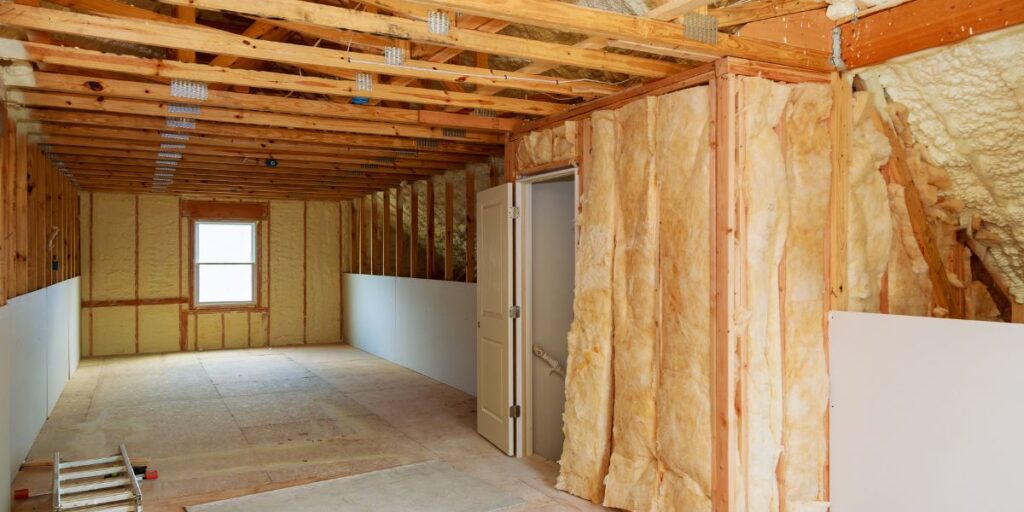
Fiberglass insulation is one of the most common and affordable types of insulation available. It is made from fine strands of glass fibers and is available in batts, rolls, and loose-fill forms. Fiberglass is non-combustible, resistant to moisture, and can be installed in walls, attics, and floors.
Cons:
However, fiberglass insulation requires careful installation to avoid gaps and ensure it provides the intended R-value. It’s also less effective at blocking air leaks compared to other options.
Best Use:
Fiberglass insulation is ideal for homeowners looking for a cost-effective solution that can be installed in various areas of the home.
Spray Foam Insulation
Pros:
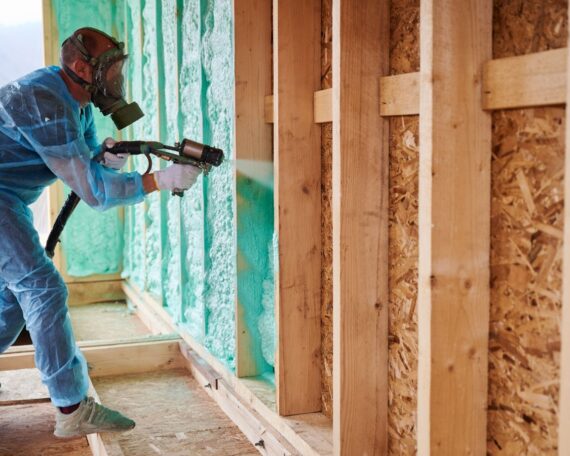
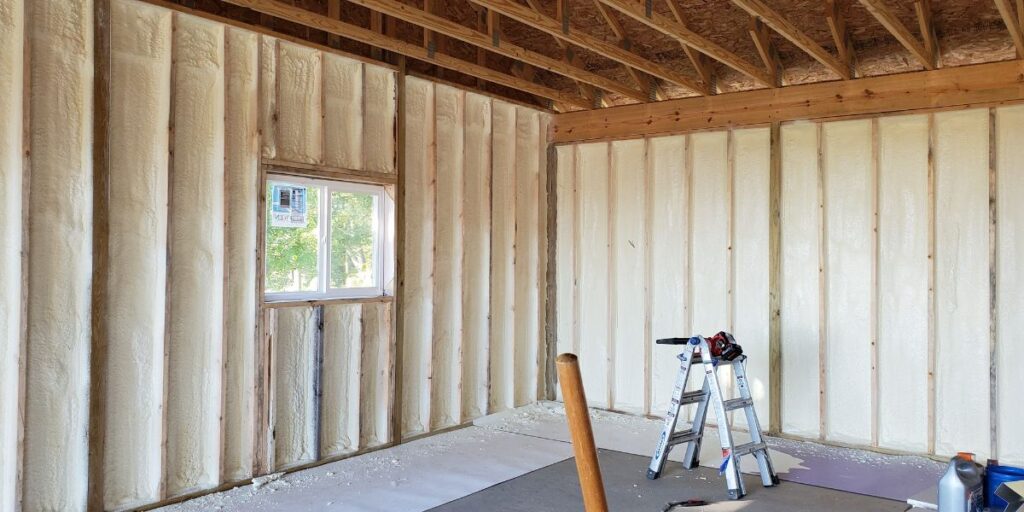
Spray foam insulation is renowned for its exceptional insulating properties and its ability to seal air leaks, making it one of the top choices for energy efficiency. It expands to fill gaps and crevices, creating an airtight barrier that effectively prevents heat loss and gain. Additionally, spray foam insulation lasts a long time and offers a high R-value, ensuring excellent thermal resistance.
Cons:
The main downside of spray foam insulation is its higher upfront cost. It’s also best applied by professionals, as improper installation can lead to issues such as over-expansion or under-expansion, reducing its effectiveness.
Best Use:
Spray foam insulation is ideal for homeowners looking to maximize energy efficiency, especially in areas prone to air leaks such as attics, basements, and around windows and doors.
Cellulose Insulation
Pros:
Cellulose insulation is made from recycled paper products, making it an eco-friendly option. It’s available in loose-fill form and can be blown into walls, attics, and other areas to create a dense, insulating layer. Cellulose has a good R-value and is effective at reducing air leaks.
Cons:
Over time, cellulose insulation can settle, leading to a decrease in its effectiveness. It also has a slightly lower R-value compared to other insulation types like spray foam or rigid foam.
Best Use:
Cellulose insulation is a great option for homeowners looking for an eco-friendly material that performs well in a variety of applications, particularly in attics and wall cavities.
Rigid Foam Insulation
Pros:
Rigid foam insulation, also known as foam board insulation, offers a high R-value per inch of thickness, making it highly effective at insulating small spaces. It’s also moisture-resistant, which makes it a good choice for basements and exterior walls. You can also use rigid foam as continuous insulation over wall sheathing, which improves the overall thermal envelope of the home.
Cons:
Rigid foam insulation can be more expensive than other options, and its inflexibility makes it difficult to install in irregularly shaped spaces.
Best Use:
Rigid foam insulation is ideal for areas that require a high level of insulation with limited space, such as basement walls or exterior sheathing.
Mineral Wool Insulation
Pros:
Mineral wool, also known as rock wool or slag wool, is made from natural minerals or industrial byproducts. It’s highly resistant to fire and provides good soundproofing in addition to thermal insulation. Mineral wool is also water-resistant and does not promote the growth of mold or mildew.
Cons:
The primary downside of mineral wool insulation is that it costs more than fiberglass. Additionally, it can be difficult to handle due to its weight and stiffness.
Best Use:
Mineral wool insulation is a great choice for areas where fire resistance and soundproofing are important, such as between floors or in exterior walls.
Reflective or Radiant Barrier Insulation
Pros:
Reflective or radiant barrier insulation reflects heat away from your home, making it particularly effective in hot climates. Homeowners typically install it in attics to reduce the amount of heat entering the home, which lowers cooling costs.
Cons:
This type of insulation is less effective in colder climates and works best when combined with other types of insulation.
Best Use:
Radiant barrier insulation is ideal for homes in hot climates where the goal is to reduce cooling costs during the summer months.
Choosing the Right Insulation for Your Home
Selecting the right insulation for your home depends on several factors, including your climate, budget, and the specific areas you need to insulate. Here are some tips to help you make the best choice:
- Match Insulation Type to Area: Different areas of your home may require different types of insulation. For example, spray foam insulation effectively seals air leaks in the attic, while rigid foam works better for basement walls.
- Balance Cost with Long-Term Savings: While some insulation types may have a higher upfront cost, they can offer significant long-term savings by reducing energy bills.
- Consider Professional Installation: If you’re not confident in your ability to install insulation correctly, it’s worth hiring a professional. Proper installation is crucial to ensuring the insulation performs as expected.
Conclusion
Investing in the right insulation is one of the most effective ways to maximize your home’s energy efficiency. Proper insulation not only helps in reducing your monthly energy bills but also enhances the overall comfort of your living environment. Whether you opt for fiberglass, spray foam, cellulose, rigid foam, mineral wool, or reflective insulation, each type offers unique benefits tailored to different needs and budgets.
Take the time to carefully assess your home’s insulation needs, factoring in your climate, the specific areas that require insulation, and your budget. Consulting with professionals can also be beneficial, as they can provide expert advice on the most suitable insulation types and ensure proper installation. By making an informed decision, you’ll be setting your home up for long-term energy efficiency, comfort, and even a potential boost in resale value when selling your home.